
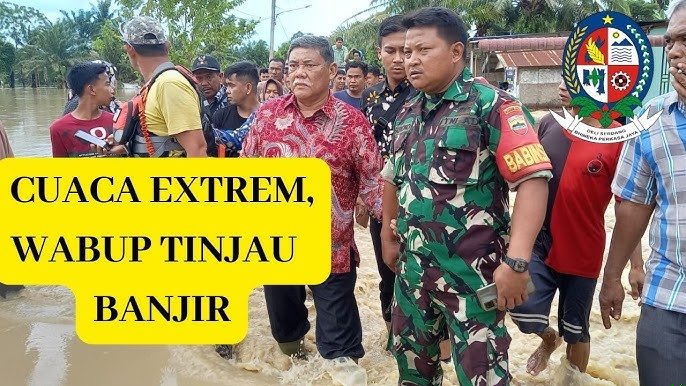
Tanjung Morawa experiences a tropical climate, characterized by warm temperatures and seasonal rainfall. This blend of sunny days and monsoon seasons shapes the daily life and activities of its residents. Understanding the cuaca kecamatan tanjung morawa is essential for planning outdoor events or agricultural work. As the climate fluctuates, staying updated helps everyone adapt to the changing weather patterns effectively.

Cuaca Kecamatan Tanjung Morawa: A Deep Dive into Weather Patterns
Kecamatan Tanjung Morawa is a vibrant subdistrict located in Deli Serdang, North Sumatra, Indonesia. Understanding its weather, or “cuaca,” helps residents and visitors alike make informed decisions regarding outdoor activities, agriculture, and tourism. In this section, we will explore the various aspects of Tanjung Morawa’s climate, including temperature ranges, rainfall patterns, humidity levels, and seasonal changes.
Overview of Tanjung Morawa’s Climate
Tanjung Morawa experiences a tropical climate characterized by high temperatures and significant rainfall. The climate in this region offers lush landscapes and rich biodiversity, making it an attractive place for both residents and tourists.
– **Tropical Climate**: Tanjung Morawa falls under the tropical rainforest climate category, indicated by its warm temperatures throughout the year and heavy rainfall.
– **Temperature Variability**: The average temperature typically fluctuates between 25°C to 32°C (77°F to 90°F). The warmest months are often from April to October, while cooler temperatures can be experienced from November to March.
Monthly Weather Breakdown
To give you a better understanding of what to expect throughout the year, let’s break down the typical weather conditions by month.
| Month | Average Temperature (°C) | Average Rainfall (mm) |
|---|---|---|
| January | 26 | 250 |
| February | 27 | 200 |
| March | 27 | 180 |
| April | 28 | 150 |
| May | 28 | 200 |
| June | 27 | 250 |
| July | 27 | 300 |
| August | 28 | 280 |
| September | 28 | 320 |
| October | 28 | 300 |
| November | 27 | 270 |
| December | 26 | 260 |
This table illustrates that Tanjung Morawa experiences substantial rainfall most months, with January and September recording the highest averages. Understanding these monthly trends helps locals prepare for rainy seasons and farmers plan their crop cycles adequately.
Rainy Season vs. Dry Season
In Tanjung Morawa, you can identify two primary seasons — rainy and dry.
Rainy Season
– **Duration**: The rainy season generally spans from October to March, with peak rainfall typically occurring in December and January.
– **Effects**: During this season, you can expect heavy downpours, making it essential for residents to have robust drainage systems to avoid flooding.
Dry Season
– **Duration**: The dry season occurs from April to September, although brief showers can still occur.
– **Activities**: This is the ideal time for outdoor activities like hiking and community events, as humidity levels tend to drop.
Understanding the seasonal variations in weather can significantly influence travel plans and day-to-day life in Tanjung Morawa.
Humidity Levels in Tanjung Morawa
Humidity plays a crucial role in how we experience temperature. Tanjung Morawa generally sees high humidity levels throughout the year, often ranging from 75% to 90% during the rainy season.
– **Feeling of Heat**: High humidity makes the air feel warmer than it is, increasing the discomfort of hotter temperatures.
– **Health Considerations**: High humidity can lead to health issues such as heat exhaustion. It’s important for residents and visitors to stay hydrated and take precautions during the hottest times.
Impact of Weather on Agriculture
Tanjung Morawa’s climate significantly influences its agricultural landscape.
Crops That Thrive in Tanjung Morawa
– **Rice**: Rice is a staple crop that thrives in the wet, humid conditions, making Tanjung Morawa a significant rice-producing area.
– **Fruits**: The climate is also ideal for growing tropical fruits such as durian, mangosteen, and rambutan.
– **Vegetables**: Many local farmers engage in vegetable farming, benefiting from the fertile land enriched by seasonal rains.
Challenges Faced by Farmers
While the weather supports diverse crop production, it presents some challenges:
– **Flooding**: Heavy rainfall can lead to flooding, washing away crops and impacting local farmers’ livelihoods.
– **Pests and Diseases**: Humid conditions often lead to an increase in pests and crop diseases, requiring farmers to adopt effective pest management strategies.
Understanding these agricultural challenges allows farmers to implement better practices and prepare for adverse weather conditions.
Effects of Climate Change on Tanjung Morawa
Like many regions worldwide, Tanjung Morawa faces the impacts of climate change.
– **Temperature Increases**: Average temperatures are gradually rising, which may disrupt the growing seasons for various crops.
– **Erratic Weather Patterns**: Farmers may experience more unpredictable rainfall, complicating planting and harvesting schedules.
Adaptation strategies are essential for both the local government and the farming community to mitigate these impacts.
Weather-Related Activities for Residents and Tourists
Whether you are a local or a visitor, understanding Tanjung Morawa’s weather can enhance your experience.
Outdoor Activities
– **Hiking**: With its lush landscapes and scenic views, hiking is a popular activity during the dry season.
– **Market Visits**: Local markets often thrive, especially in the cooler months, with abundant fresh fruits and vegetables.
Cultural Events
– **Festivals**: Many local festivals celebrate the harvest and showcase the region’s culture. Understanding the weather helps you to join these festivities at the right time.
– **Community Gatherings**: Engage with local communities to experience traditions, especially during the drier months when events are more frequent.
Preparing for Tanjung Morawa’s Weather
Whether you’re a resident or planning a visit, it’s wise to be prepared for Tanjung Morawa’s diverse weather conditions.
Packing Essentials
When visiting Tanjung Morawa, consider packing the following:
– **Light Clothing**: Breathable fabrics help to stay cool in the heat.
– **Rain Gear**: Always carry an umbrella or raincoat, especially during the rainy season.
– **Sunscreen**: Protect your skin from the sun, even on cloudy days.
Staying Informed
– **Local Weather Reports**: Check local weather updates on apps or news websites to stay informed about sudden weather changes.
– **Local Advice**: Engage with locals or tour guides to get insights on weather patterns and the best times for various activities.
Understanding the weather in Tanjung Morawa allows for better planning and enhances your overall experience in this vibrant area.
As you navigate through the weather patterns of Tanjung Morawa, remember that while it can be unpredictable, being prepared will enable you to enjoy all that this beautiful location has to offer. Whether you’re indulging in the tropical climate or participating in local traditions, understanding the weather will always guide your journey.
poraporanda diterpa hujan bade #macing #ikan #fhising
Frequently Asked Questions
“`html
What is the typical climate in Tanjung Morawa?
Tanjung Morawa experiences a tropical climate characterized by high humidity and temperatures. The region usually has a distinct wet and dry season, with temperatures averaging between 25°C to 33°C. Rainfall peaks during the monsoon season, typically from October to March, while the dry season occurs from April to September.
How does the weather in Tanjung Morawa affect agricultural practices?
The weather in Tanjung Morawa significantly influences agricultural cycles. Farmers often rely on the rainy season for planting rice and other crops, as the moisture is vital for growth. Conversely, they prepare for the dry months by ensuring proper irrigation and water management to sustain crops during drier periods.
What precautions should residents take during the rainy season in Tanjung Morawa?
During the rainy season, residents should prepare for potential flooding and heavy rainfall. It’s advisable to keep drainage systems clear, avoid driving through flooded areas, and stock up on emergency supplies. Staying informed through local weather forecasts can also help residents make timely decisions about their safety.
Are there any significant weather patterns unique to Tanjung Morawa?
Tanjung Morawa can experience sudden weather changes, particularly during transitional periods between wet and dry seasons. Locals observe that afternoon thunderstorms are common, often providing relief from the heat but also bringing heavy rainfall. Understanding these patterns helps residents plan daily activities effectively.
How does the weather in Tanjung Morawa compare to neighboring areas?
The weather in Tanjung Morawa shares similarities with nearby regions, typically exhibiting comparable temperature and humidity levels. However, local topography and proximity to water bodies can result in variations. For instance, some neighboring areas might receive more rainfall due to elevation differences, while Tanjung Morawa may remain slightly drier.
“`
Final Thoughts
The climate in Tanjung Morawa plays a crucial role in shaping its agriculture and daily life. With a tropical monsoon climate, residents experience significant rainfall during certain months, impacting farming practices. Understanding cuaca kecamatan tanjung morawa helps locals prepare for seasonal changes and plan their activities accordingly. Overall, the weather influences both the economy and lifestyle of the people in this vibrant area.